|
•PRODUCTS | Barite/Baryte  | Dolomite | Silica Sand | Limestone | Zinc / Silver / Copper | Iron ore | Coal | Dolomite | Silica Sand | Limestone | Zinc / Silver / Copper | Iron ore | Coal
ZINC (Zn) /SILVER (Ag)/COPPER(Cu)
General Information
 Zinc is a blue-gray, metallic element, with the atomic number 30. At room temperature, zinc is brittle, but it becomes malleable at 100 C. Malleable means it can be bent and shaped without breaking. Zinc is a moderately good conductor of electricity. It is relatively resistant to corrosion in air or water, and therefore is used as a protective layer on iron products to protect them from rusting Zinc is recovered from a number of different zinc minerals. The most significant of these is sphalerite (ZnS, zinc sulfide). Other minerals, such as smithsonite (ZnCO3, zinc carbonate), and zincite (ZnO, zinc oxide) are also zinc ores. Adequate amounts of zinc are essential to a healthy life in all humans and animals. It is necessary for the function of a number of different enzymes. It has also been proved necessary for skin and bone growth as well as sexual maturation. The body uses zinc to process food and nutrients. When animals do not have enough zinc in their systems, they need to consume 50% more food to match the weight gain of an animal with enough zinc in its body. About 0.003% zinc is needed for proper health. Zinc alloys (mixes) well with other metals resulting in stronger, harder metals. Brass, for example, is a mixture of copper and 20%-45% zinc. Zinc is a blue-gray, metallic element, with the atomic number 30. At room temperature, zinc is brittle, but it becomes malleable at 100 C. Malleable means it can be bent and shaped without breaking. Zinc is a moderately good conductor of electricity. It is relatively resistant to corrosion in air or water, and therefore is used as a protective layer on iron products to protect them from rusting Zinc is recovered from a number of different zinc minerals. The most significant of these is sphalerite (ZnS, zinc sulfide). Other minerals, such as smithsonite (ZnCO3, zinc carbonate), and zincite (ZnO, zinc oxide) are also zinc ores. Adequate amounts of zinc are essential to a healthy life in all humans and animals. It is necessary for the function of a number of different enzymes. It has also been proved necessary for skin and bone growth as well as sexual maturation. The body uses zinc to process food and nutrients. When animals do not have enough zinc in their systems, they need to consume 50% more food to match the weight gain of an animal with enough zinc in its body. About 0.003% zinc is needed for proper health. Zinc alloys (mixes) well with other metals resulting in stronger, harder metals. Brass, for example, is a mixture of copper and 20%-45% zinc.
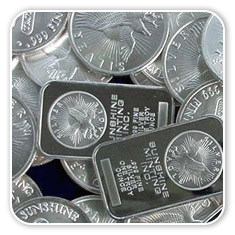
| Silver has been used for thousands of years for jewelry and decorative items of all types. Likewise, it has been used for silverware. Of all the metals, untarnished silver is the best reflector of light. As a result, it was used in ancient times to make mirrors. Unfortunately, silver tarnishes very easily and quickly, and its use as a mirror could be frustrating. Sterling silver is silver alloyed with another metal, usually copper. For such an alloy to be called “Sterling” it has to have 92.5% silver content. Silver is also used as a currency and at one time, along with gold, was the standard for the currency of the United States of America. Silver bromide and silver nitrate are used in photography. |
 |
It is estimated that about one-third of the silver used in the United States is used in various photographic materials and processes. It is also used in electrical products because it conducts electricity so well (silver actually conducts electricity more efficiently than copper). It is used by dentists in amalgam fillings. Silver is also used in the production of bearings.
Copper ore may be found in large deposits, relatively close to the surface, and amenable to relatively low cost bulk mining methods. The combination of its physical properties, abundance, and low cost make it a valuable commodity. Copper is a mineral. As a mineral, natural copper (also called native copper) is relatively rare. Most copper in nature is found in minerals associated with sulfur, or in the oxidized products of these minerals. Copper also easily combines with a number of other elements and ions to form a wide variety of copper minerals and ores. Copper minerals occurring in deposits large enough to mine include azurite (Cu3(CO3)2(OH)2), malachite (Cu2CO3(OH)2), tennantite ((Cu,Fe)12As4S13), chalcopyrite (CuFeS2), and bornite (Cu5FeS4).
Applications
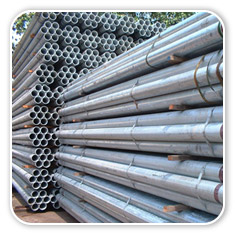
Zinc is relatively non-reactive in air or water. Consequently, it is applied in thin layers to iron and steel products that need to be protected from rusting. This process is called galvanizing. Galvanizing is done in a number of ways. Generally, the metal is dipped in molten zinc. It can also be done by electroplating or by painting on a layer of zinc compound. More than half of the zinc consumed is used for galvanizing. The second largest use of zinc is as an alloy (other than brass or bronze). Making brass and bronze accounts for another portion of zinc consumption. The remaining zinc consumption is for making paint, chemicals, agricultural applications, in the rubber industry, in TV screens, fluorescent lights and for dry cell batteries. The pennies in your piggy bank are made of zinc - with a thin coating of copper on top.
Silver has been used for thousands of years for jewelry and decorative items of all types. Likewise, it has been used for silverware. Of all the metals, untarnished silver is the best reflector of light. As a result, it was used in ancient times to make mirrors. Unfortunately, silver tarnishes very easily and quickly, and its use as a mirror could be frustrating. Sterling silver is silver alloyed with another metal, usually copper. For such an alloy to be called “Sterling” it has to have 92.5% silver content. Silver is also used as a currency and at one time, along with gold, was the standard for the currency of the United States of America. Silver bromide and silver nitrate are used in photography. It is estimated that about one-third of the silver used in the United States is used in various photographic materials and processes. It is also used in electrical products because it conducts electricity so well (silver actually conducts electricity more efficiently than copper). It is used by dentists in amalgam fillings. Silver is also used in the production of bearings.
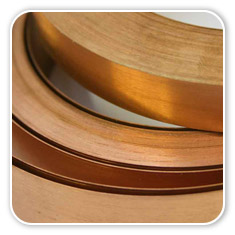
Copper: Used in electric cables and wires, switches, plumbing, heating, roofing and building construction, chemical and pharmaceutical machinery, alloys (brass, bronze, and a new alloy with 3% beryllium that is particularly vibration resistant), alloy castings, electroplated protective coatings and undercoats for nickel, chromium, zinc, etc., and cooking utensils. In pure form, copper is drawn into wires or cables for power transmission, building wiring, motor and transformer wiring, wiring in commercial and consumer electronics and equipment; telecommunication cables; electronic circuitry; plumbing, heating and air conditioning tubing; roofing, flashing and other construction applications; electroplated coatings and undercoats for nickel, chrome, zinc, etc.; and miscellaneous applications. As an alloy with tin, zinc, lead, etc. (brass and bronze), it is used in extruded, rolled or cast forms in plumbing fixtures, commercial tubing, electrical contacts, automotive and machine parts, decorative hardware, coinage, ammunition, and miscellaneous consumer and commercial uses. Copper is an essential micronutrient used in animal feeds and fertilizers
Mining and Productions
PANDS GROUP ได้มีโครงการพัฒนาแหล่งแร่ Barite ที่ทางบริษัทดำเนินการทำเหมืองมากว่า 30 ปี โดยการร่วมทุน กับบริษัทต่างชาติ เพื่อเจาะสำรวจแร่ สังกะสี,เงิน,ทองแดงและตะกั่ว ซึ่งเป็นแร่ที่มีมูลค่าทางเศรฐกิจ โครงการเจาะสำรวจจะเริ่มในปี 2551 โดยจะเริ่มทำประชาพิจารย์,แผนงานเจาะสำรวจและรายงานสิ่งแวดล้อม โดยมีพื้นที่กว่า 20,000 ไร่ ตามคำขออนุญาต อาชญาบัตรพิเศษ เลขที่ 3/2551 และ 4/2551 ตั้งอยู่ที่จังหวัดเลย และ อีกกว่า 500 ไร่ ตามคำขอประทานบัตรเลขที่ 13/2539 และ19/2539 ตั้งอยู่ที่จังหวัดเชียงใหม่ หลังจากเจาะสำรวจแล้วในหนึ่งปี วิศวกรเหมืองแร่ และ นักธรณีวิทยาของกลุ่มบริษัท แพนด์ส และ บริษัทร่วมทุนจะประเมินความเป็นไปได้ในการลงทุนทำเหมืองและผลิตต่อไป จากรายงานทางธรณีวิทยาและผลสำรวจเบื้องต้น ของแหล่งแร่จังหวัดเชียงใหม่มี ชั้นหินบริเวณแหล่งแร่เป็นหินชั้น ชนิดหินดินดาน หินทรายและหินปูนชั้นบางมีหินแปรชนิดฟิลไลต์ หินควอร์ตไซต์ และส่วนแหล่งแร่จังหวัดเลยมีชั้นหินบริเวณแหล่งแร่ เป็นหินตะกอนหรือหินชั้น(Sedimentary Rocks) ยุคคาร์บอนิเฟอรัส (Carboniferous Period) ได้แก่หินทราย หินดินดาน หินปูนชั้นบาง สีน้ำตาล เทาขาว โครงการเจาะสำรวจ คาดว่าจะเสร็จภานในปี 2553 รายระเอียดของการเจาะสำรวจสามารถดูได้ใน web site PANDS
 |
 |
 |
 |
| MINE LOCATION |
ORE RESERVES (TONS) Year 2008 |
MINERALS |
| |
. |
|
|
|
 |
| Chaing Mai |
Exploration |
Copper,Zinc |
| Loei |
Exploration |
Zinc,Silver,Lead |
| Nakhon Si Thammarat |
Exploration |
Zinc,Lead |
| Laos |
Exploration |
Copper,Zinc |
|
 |
 |
 |
 |
|